As part of the Swachh Bharat Mission, Solapur aimed to strengthen public sanitation infrastructure and support its Open Defecation Free (ODF) mission.
The city needed durable, low-maintenance public toilets that could serve high-footfall locations while supporting its Smart City objectives and long-term operation.
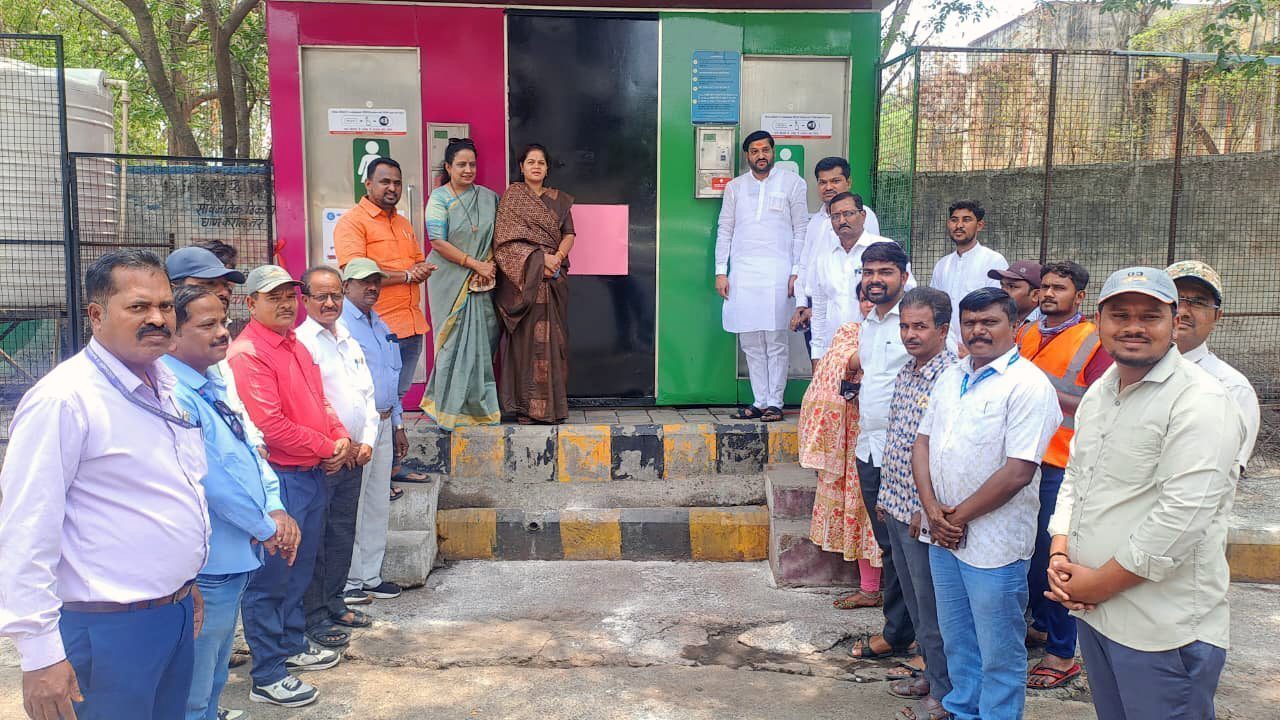
Altersoft Innovations supplied and commissioned 15 fully automated IPToilet® smart public toilets, equipped with automated self-cleaning, IoT-enabled remote monitoring, touch-free operation and durable stainless-steel construction. Remote monitoring helps maintenance teams manage multiple locations efficiently and respond to maintenance requirements, helping reduce downtime.
Altersoft continues to provide Annual Maintenance Contract (AMC) support, supporting the long-term operation of the installations.
- 15 fully automated smart public toilets
- IoT-enabled remote monitoring
- Automated self-cleaning
- Smart City sanitation infrastructure
- Stainless-steel vandal-resistant construction
- Supporting Solapur's ODF mission
- Continuous AMC support since 2017
 View
View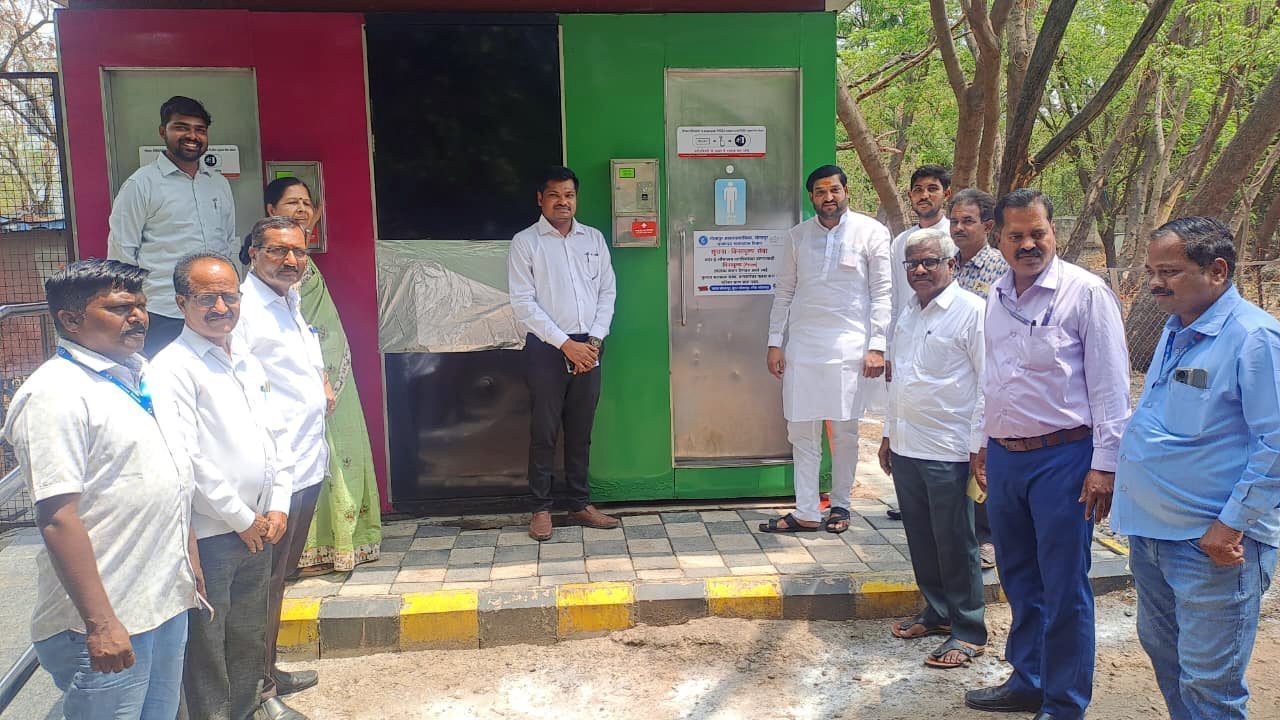 View
ViewAbhik Advertisements wanted to create a financially sustainable public sanitation model that could reduce dependence on government funding while improving hygiene in high-footfall urban areas. The key challenge was to develop public toilets that could generate recurring revenue to support their long-term operation and maintenance.
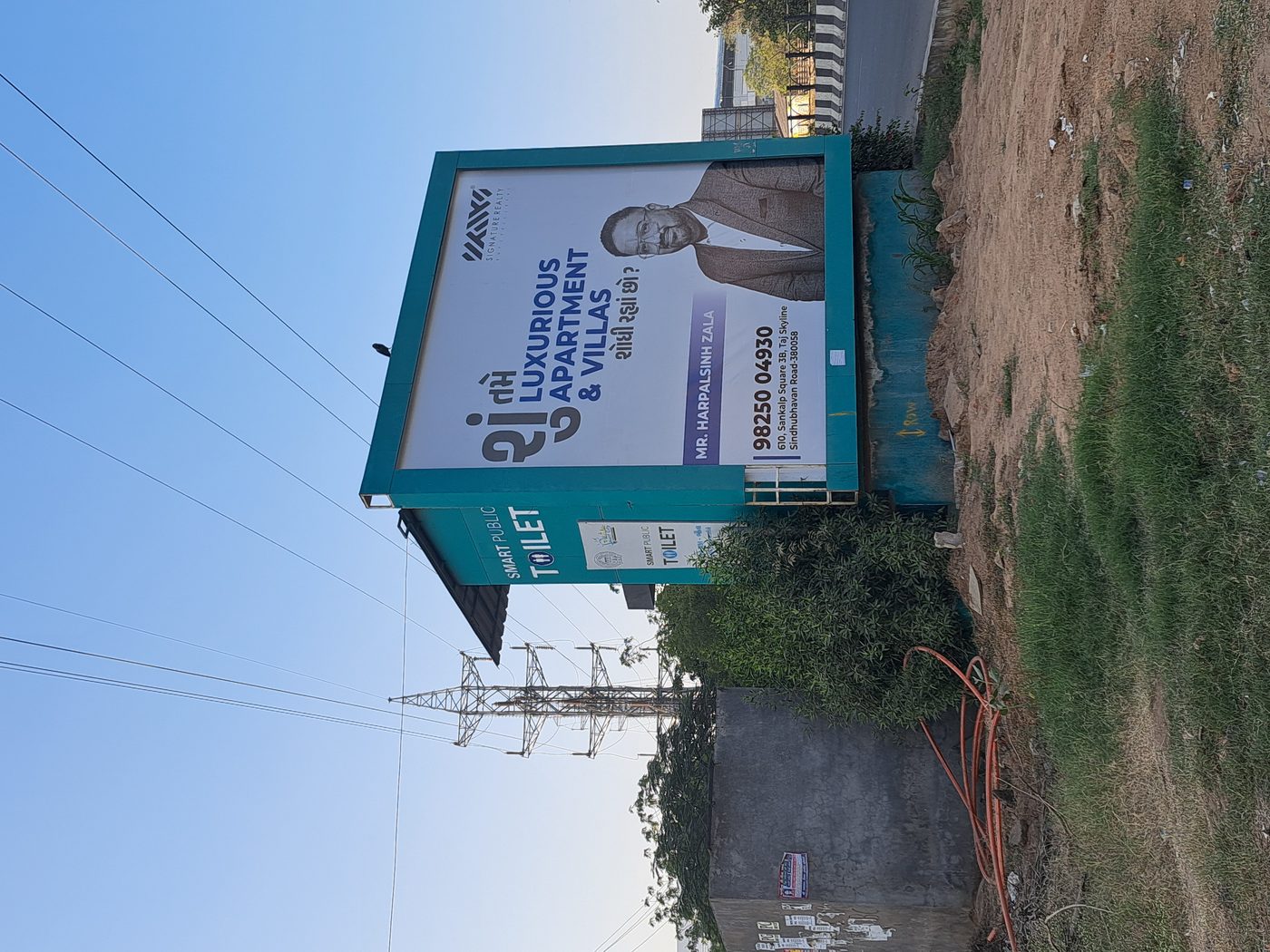
Altersoft Innovations designed twin smart public toilet units with integrated outdoor advertising panels on the rear façade. The design combined two public needs in one infrastructure asset: public sanitation and advertising revenue. Ahmedabad Municipal Corporation provided the installation sites, creating a public-private partnership model.
The units included IoT-enabled remote monitoring, coin-operated access, CCTV surveillance and durable stainless-steel construction for reliable operation and easier management.
- 38 twin smart toilet units installed
- Integrated outdoor advertising panels
- Revenue-generating public infrastructure
- IoT-enabled remote monitoring
- Coin-operated access
- CCTV surveillance
- Public-private partnership with Ahmedabad Municipal Corporation
- Operational since 2020
 View
View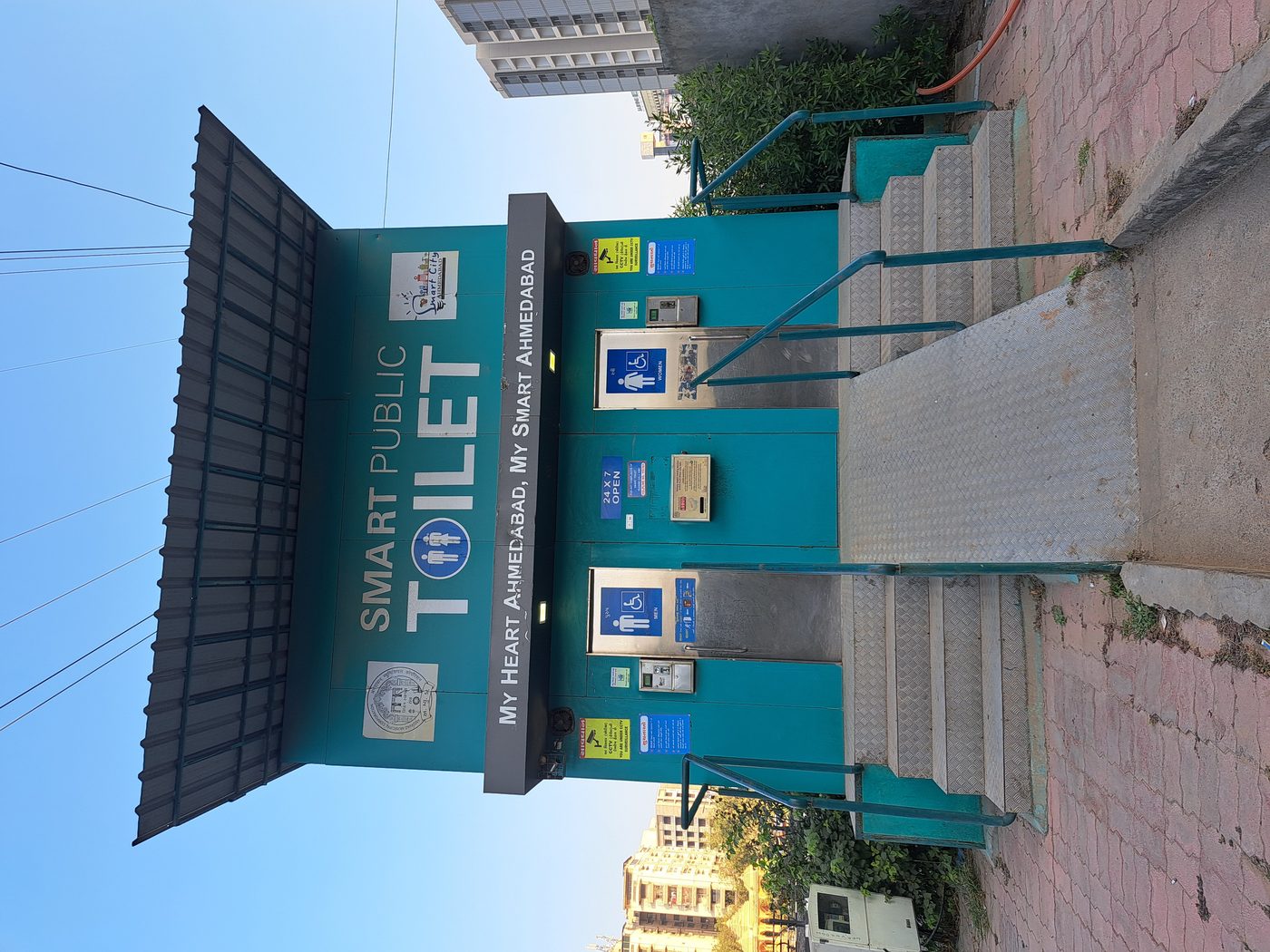 View
View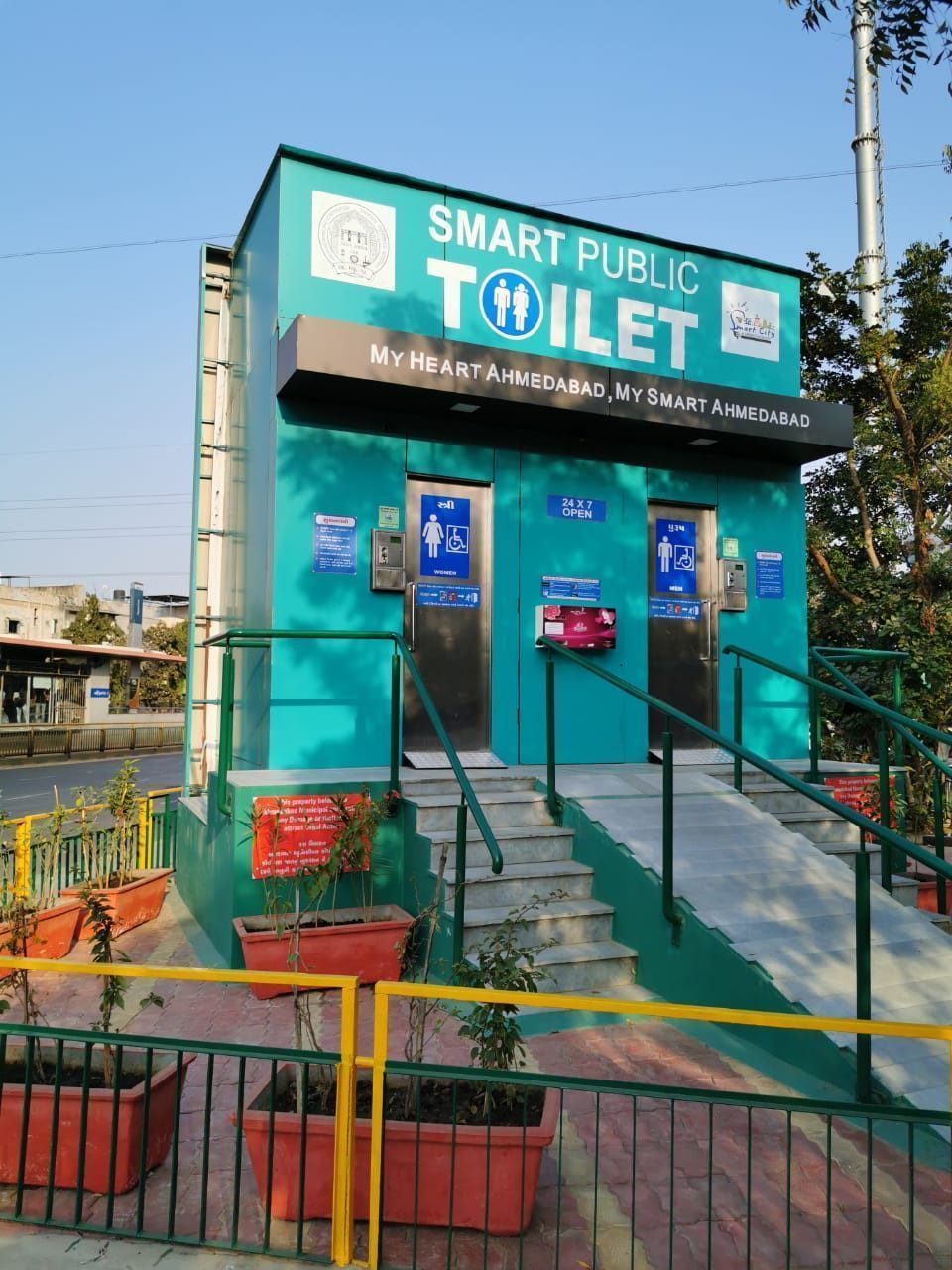 View
ViewJSW Foundation wanted to improve community sanitation in Barbil through its CSR programme. While building a public toilet is possible through CSR funding, the bigger challenge is keeping it clean, maintained and operational over the long term. Regular expenses such as cleaning, water, electricity and facility management can affect the sustainability of public sanitation projects.
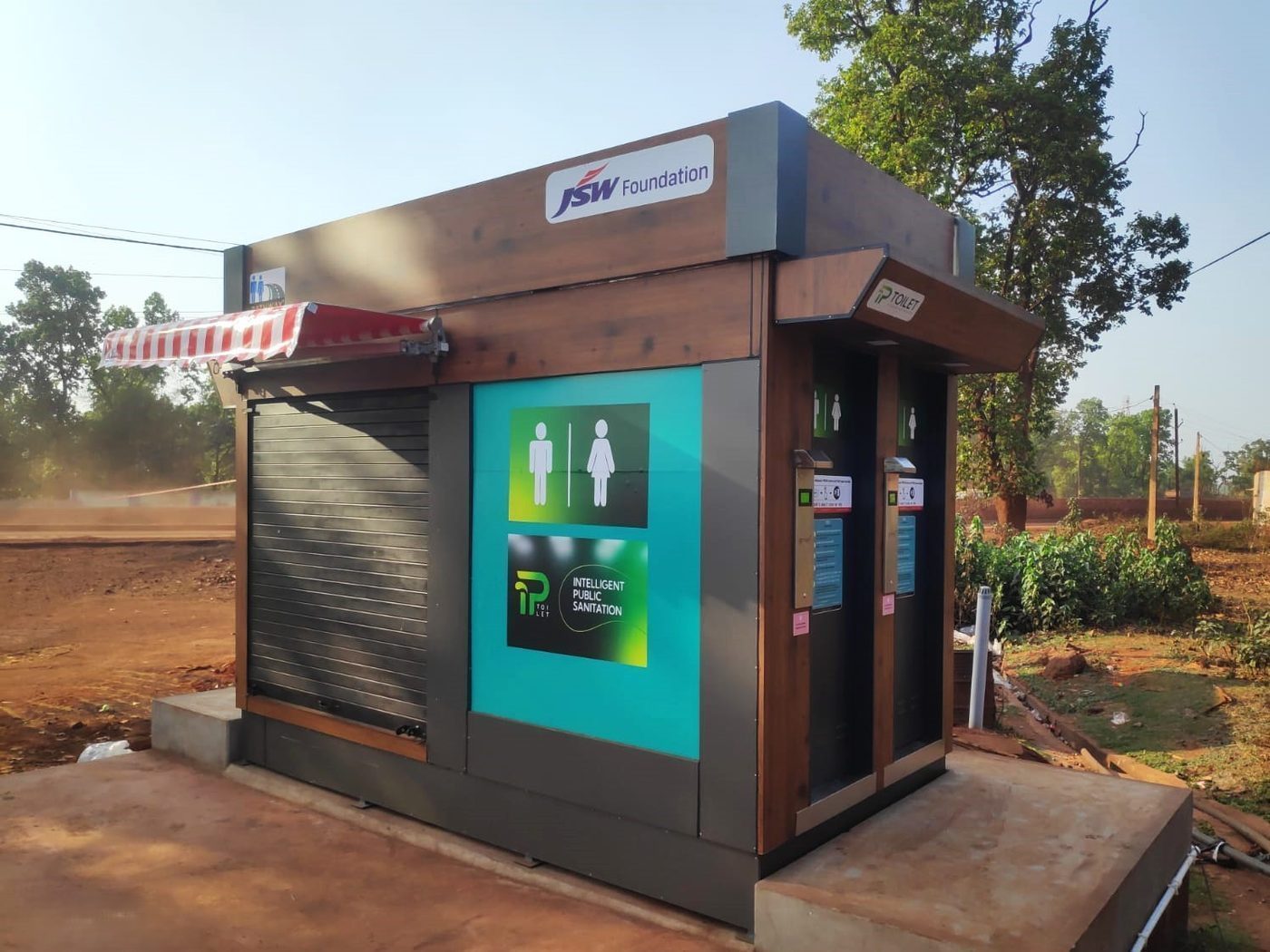
Altersoft Innovations introduced Pathway®, a self-sustaining public toilet model that combines an IPToilet® smart public toilet with a commercial kiosk in one factory-built modular structure.
The kiosk was given to a local woman entrepreneur, who started a tea shop and also took responsibility as the local caretaker of the facility. The income from the commercial kiosk helps support electricity, water, routine maintenance and daily operation of the toilet. At the same time, the model creates a local livelihood and encourages community involvement.
- Pathway® smart toilet and commercial kiosk
- Factory-built modular construction
- CSR-funded sanitation project
- Commercial revenue supporting operations
- Livelihood opportunity for a local woman entrepreneur
- Local caretaker-based maintenance
- Rapid installation with minimal civil work
- Replicable model for sustainable public sanitation
 View
View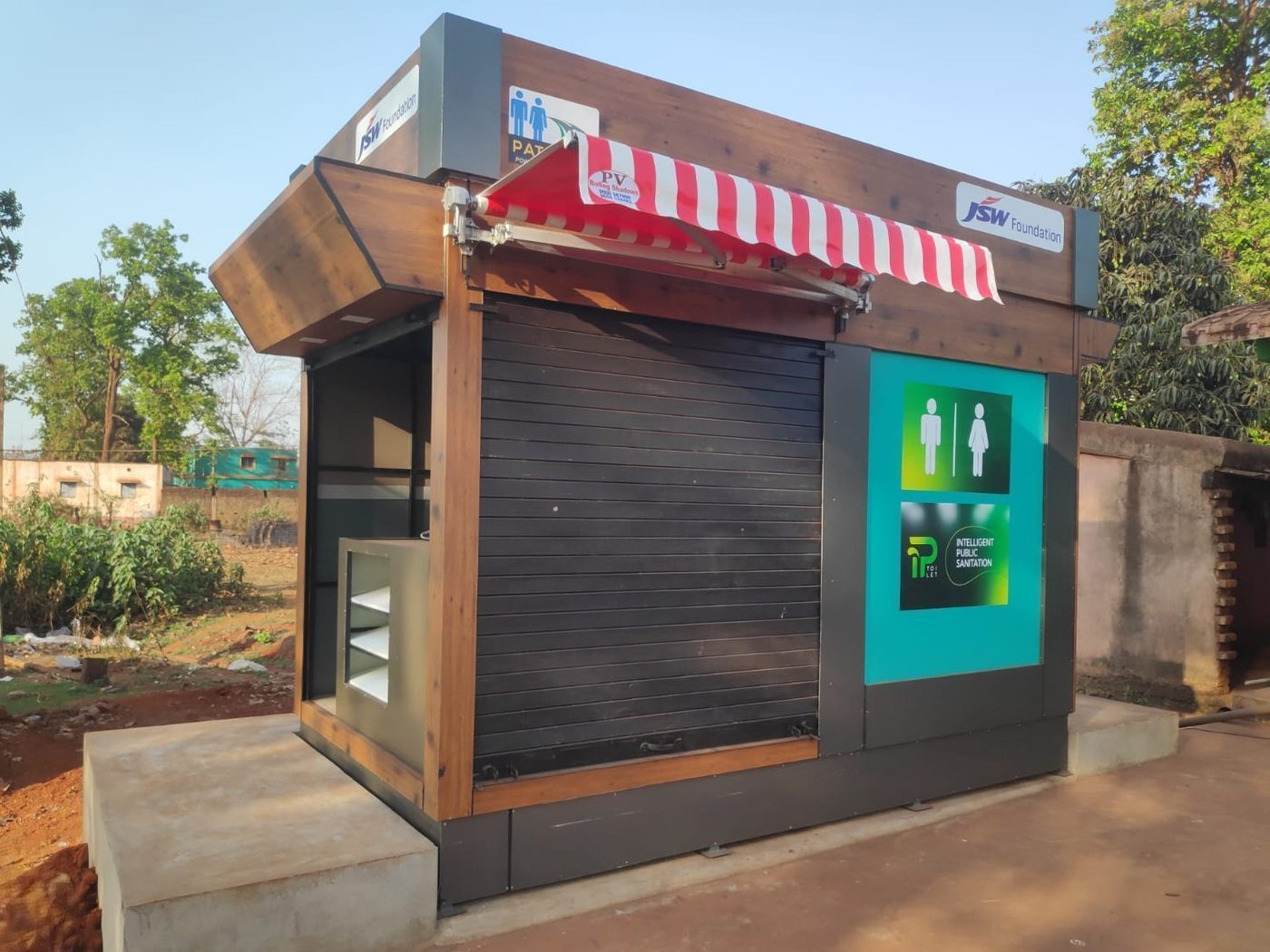 View
View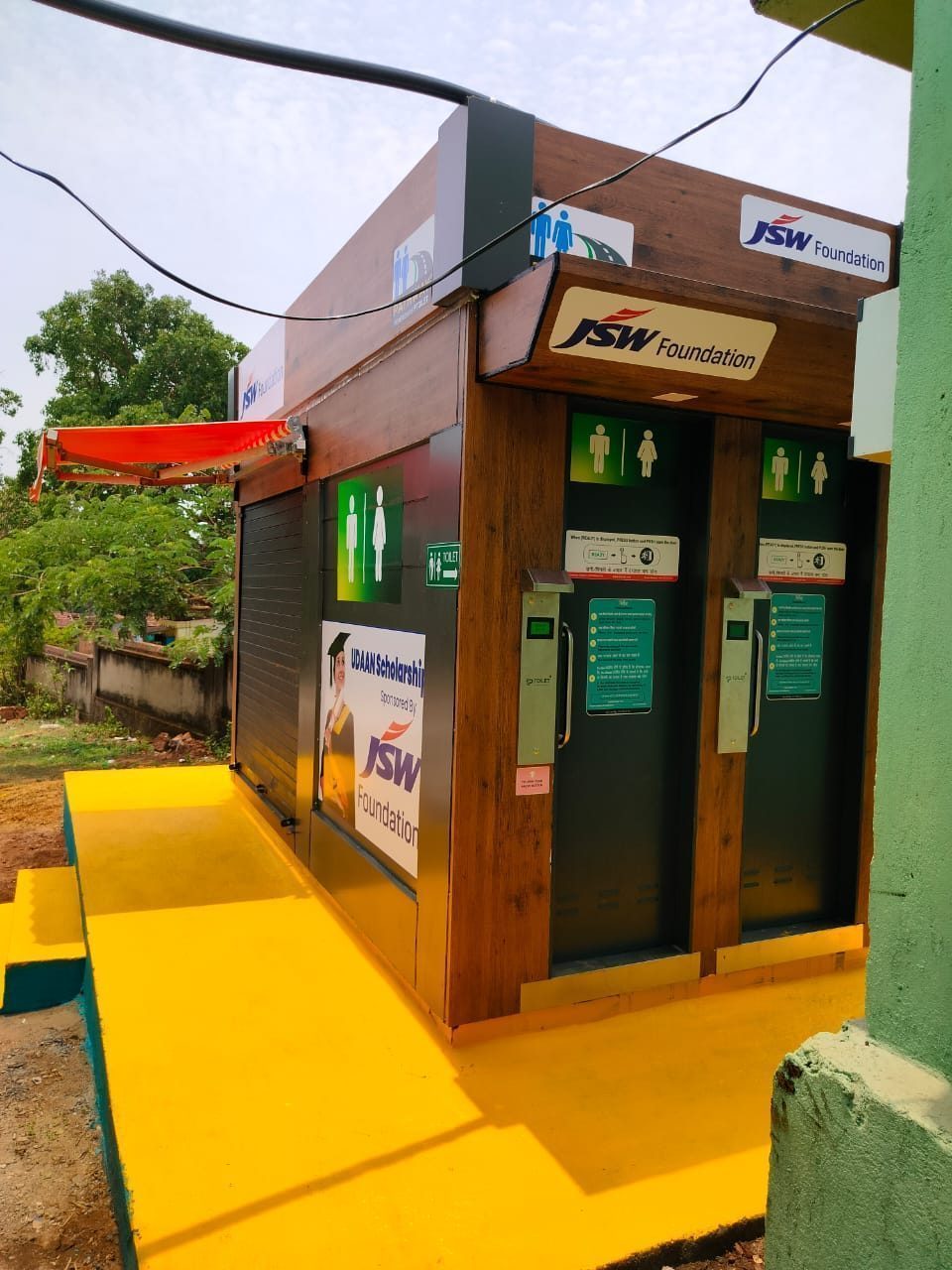 View
View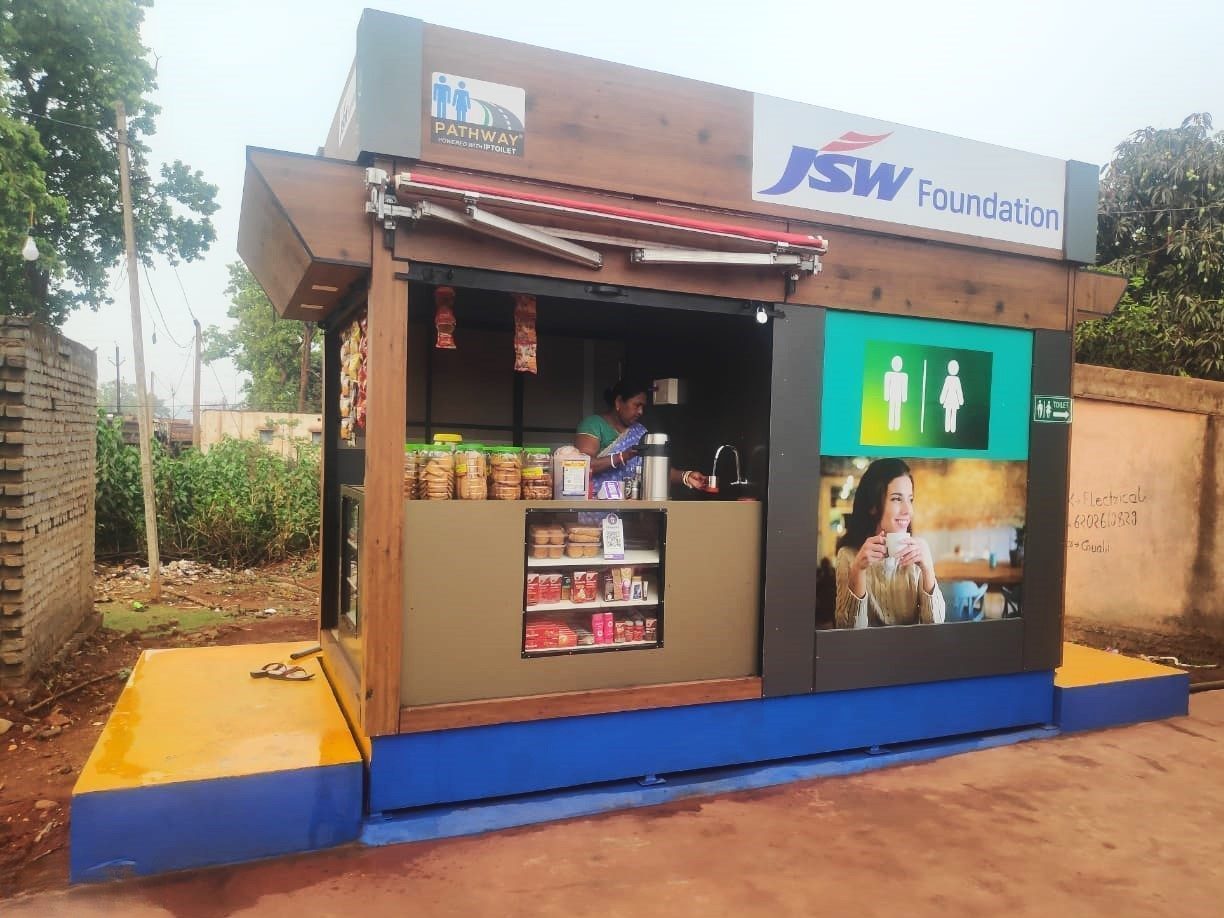 View
ViewPuri attracts large numbers of pilgrims and tourists, particularly during major religious events associated with the Puri Jagannath Temple. Many visitors also spend time at Puri Beach, creating a high demand for clean and accessible public toilet facilities.
Providing suitable sanitation facilities at such high-footfall locations can be challenging, especially when facilities need to be installed quickly and with minimal disruption to the site.
IPToilet® provided a mix of facilities to meet different user requirements:
- 16 Single Economy toilets — 1200 × 1200 mm, non-automatic
- 3 Disabled-access toilets — non-automatic
- 1 Single Premium toilet
- 3 Gents toilet blocks and 3 Ladies toilet blocks — installation in progress
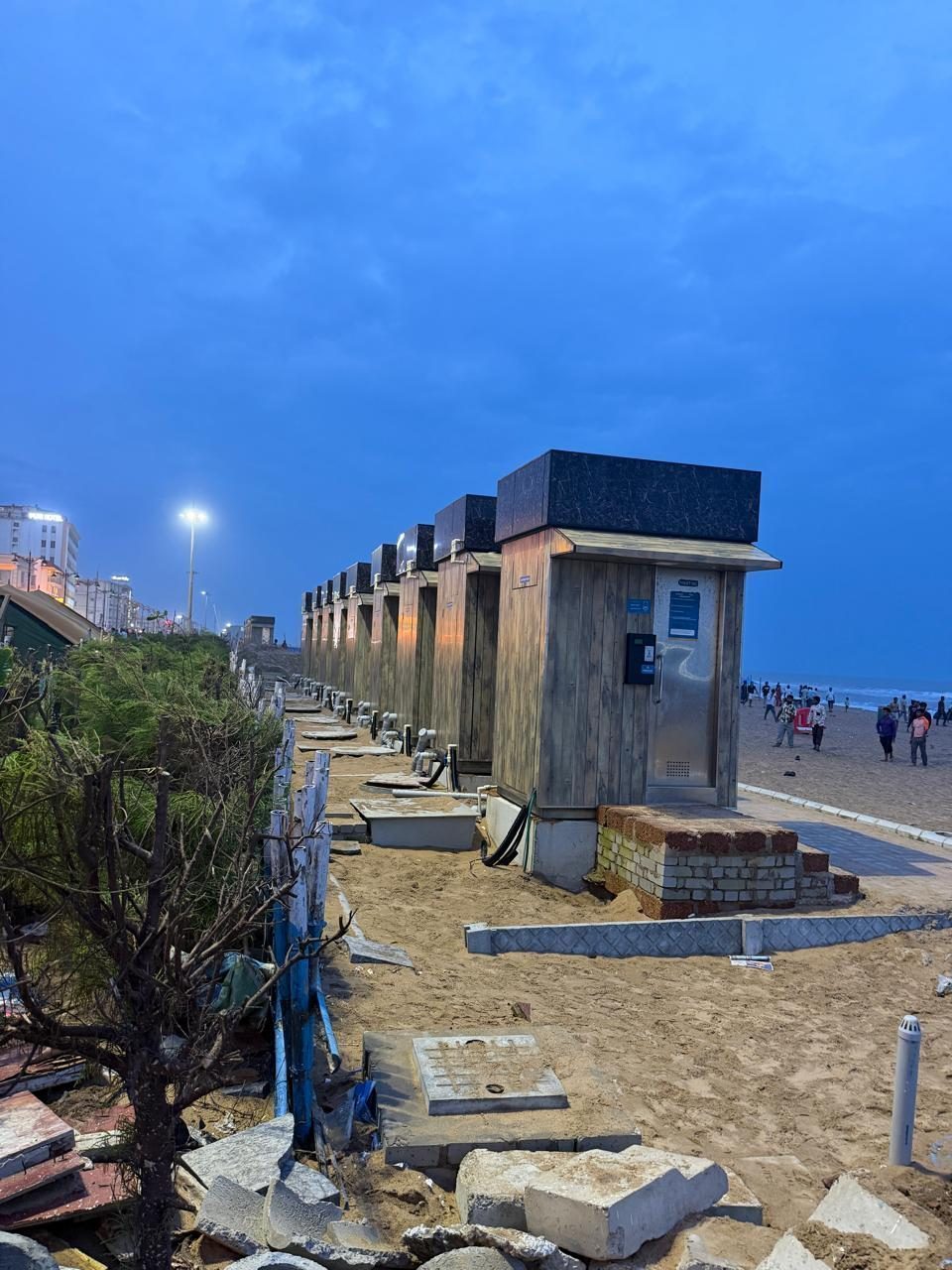
Every IPToilet® is completely factory-made. Instead of constructing the toilet at the site using brick, mortar and multiple trades, the complete toilet unit is manufactured and assembled at the factory. For the Puri project, the finished units were transported to the beach and crane-lifted into position. Once the required platform and utility connections were ready, installation could be completed with minimal on-site construction.
 View
View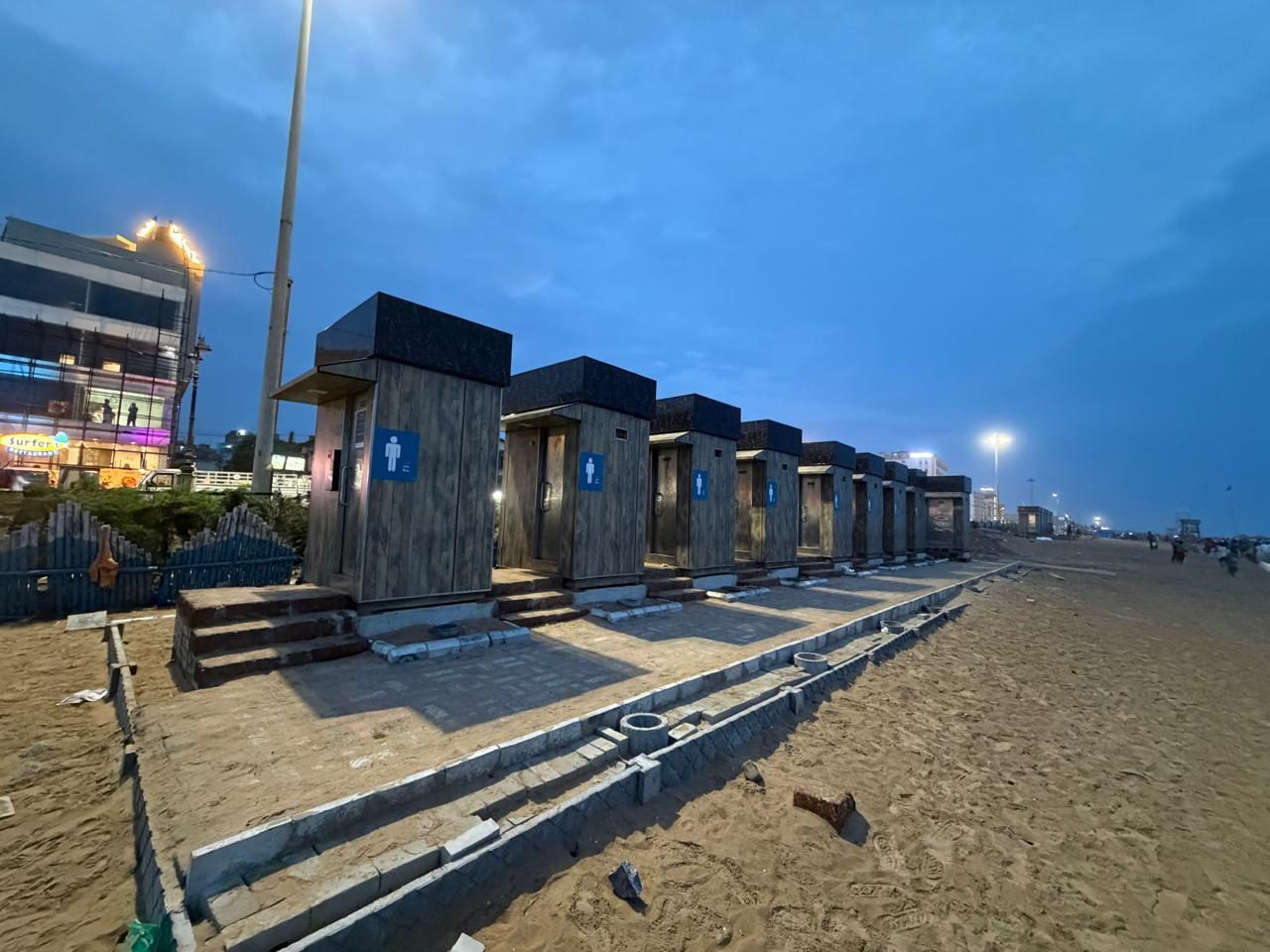 View
View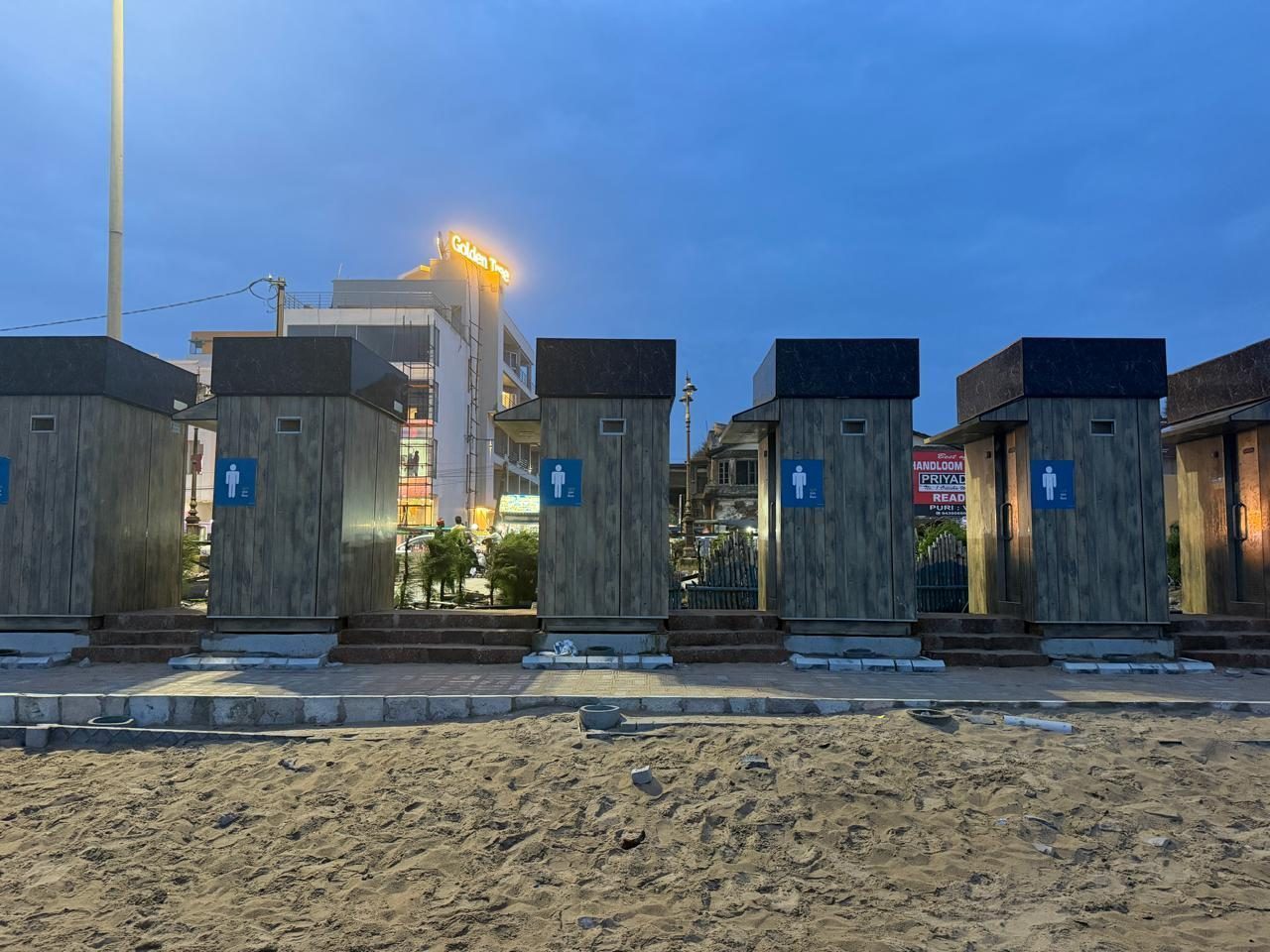 View
View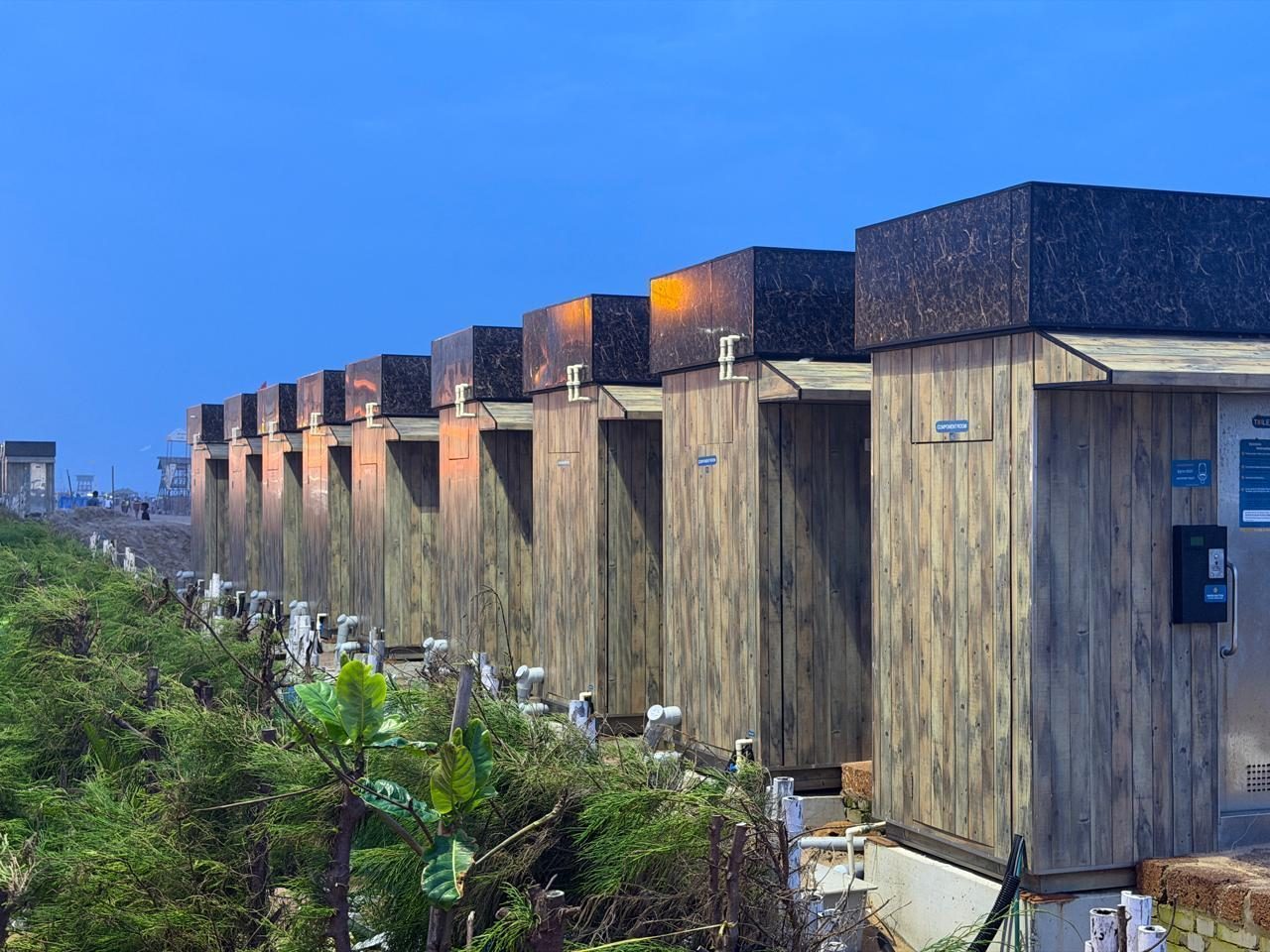 View
ViewRishikesh is one of Uttarakhand's important tourism destinations, known for its spiritual importance, the Ganga, yoga and adventure activities such as river rafting. Riverside locations such as Neem Beach attract tourists and rafting visitors, creating a need for clean and reliable public facilities.
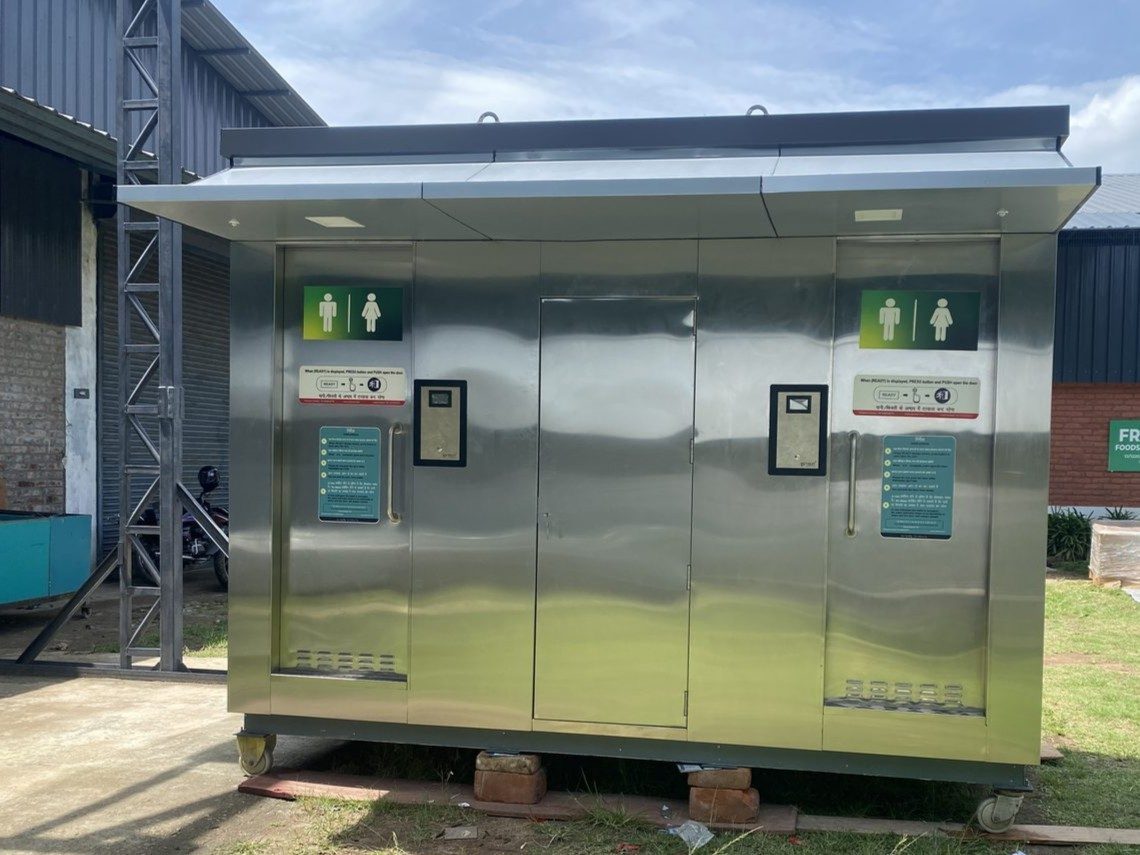
Neem Beach needed public toilet and changing facilities that could serve visitors without creating a long and complicated construction process at the site. The project required 1 IPToilet® Model 1020 twin automated toilet unit and 4 prefabricated dressing/changing rooms.
The facilities were completely factory-made and tested before being transported to Neem Beach. Instead of building the toilet structure piece by piece at the tourist site, the finished units were transported to the location and installed with minimal site work. Once the required platform and utility connections were ready, the prefabricated units were craned into position and installed quickly.
Tourist destinations often have limited space, difficult access and a need to protect the surrounding environment. IPToilet® moves most construction work to the factory, providing: factory quality → faster site installation → less site construction → less disruption to the tourist location.
 View
View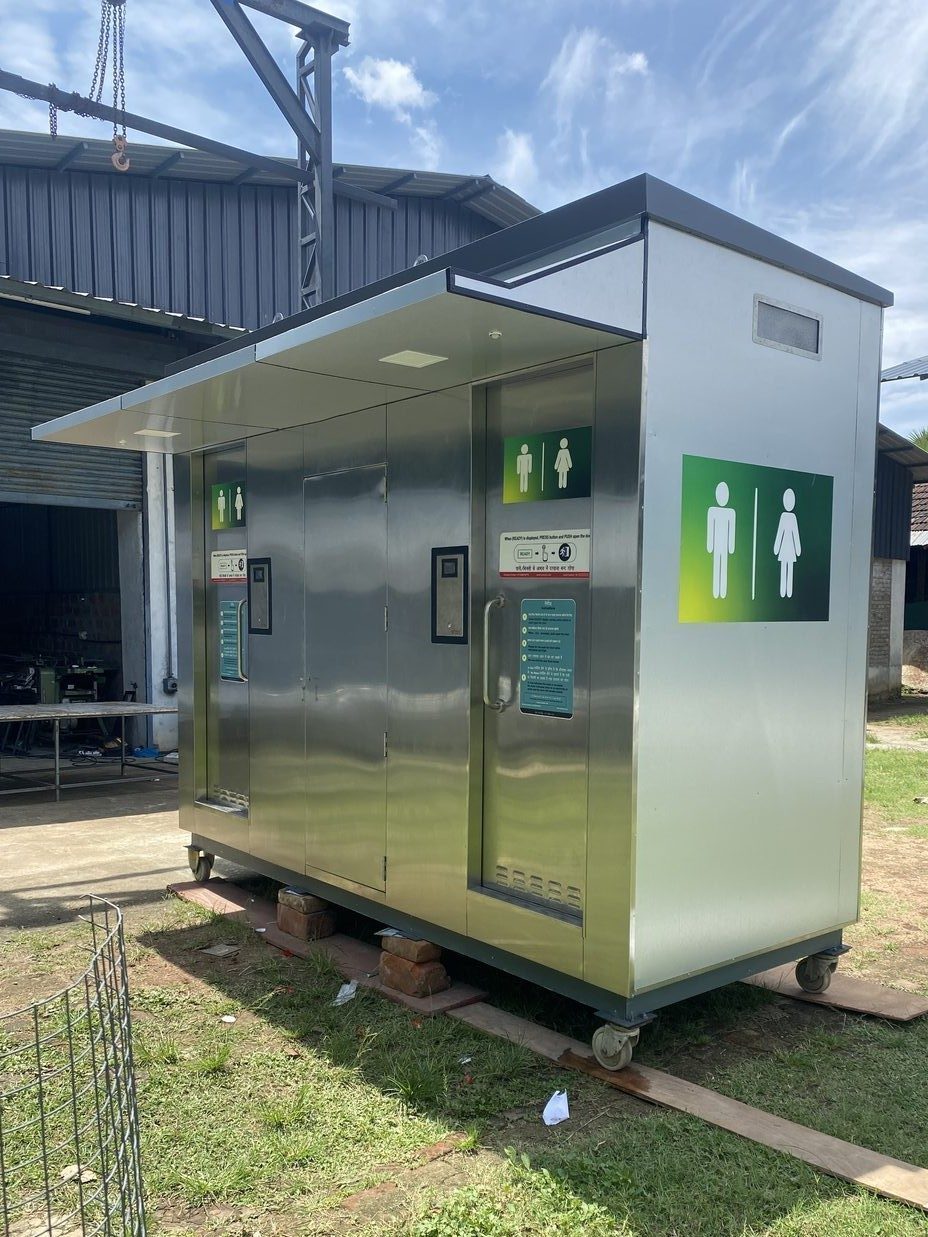 View
View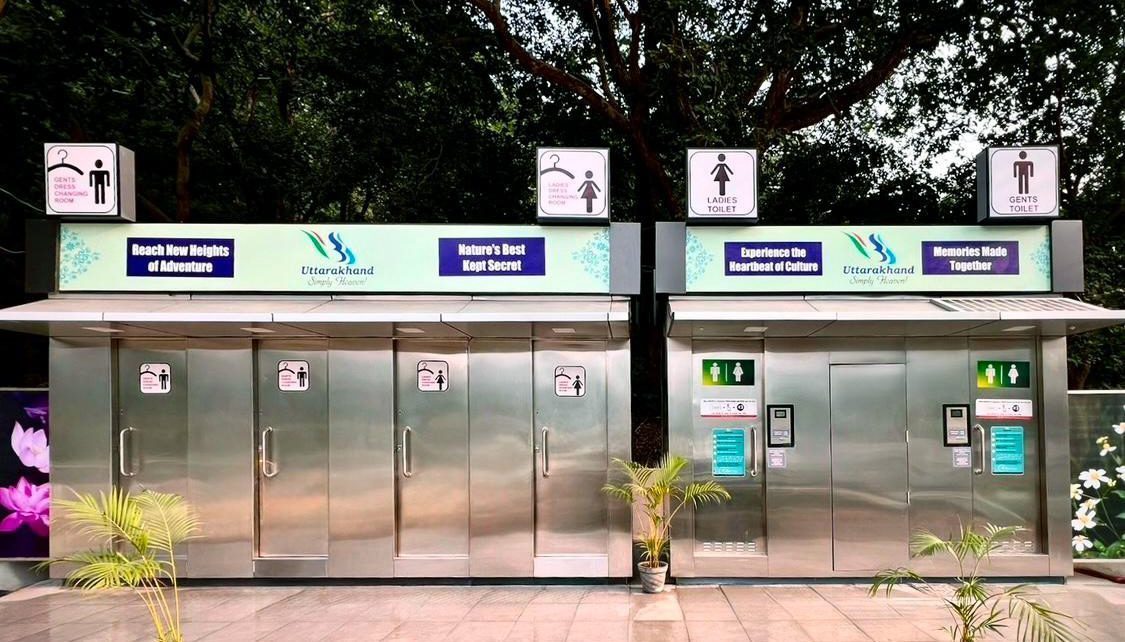 View
View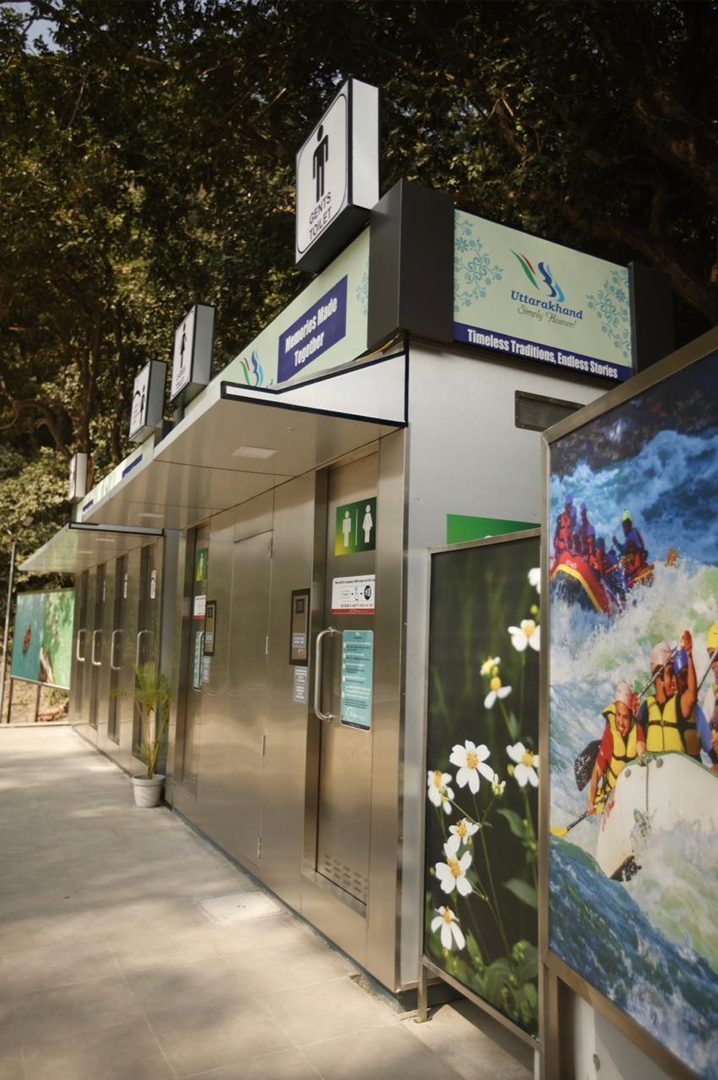 View
View